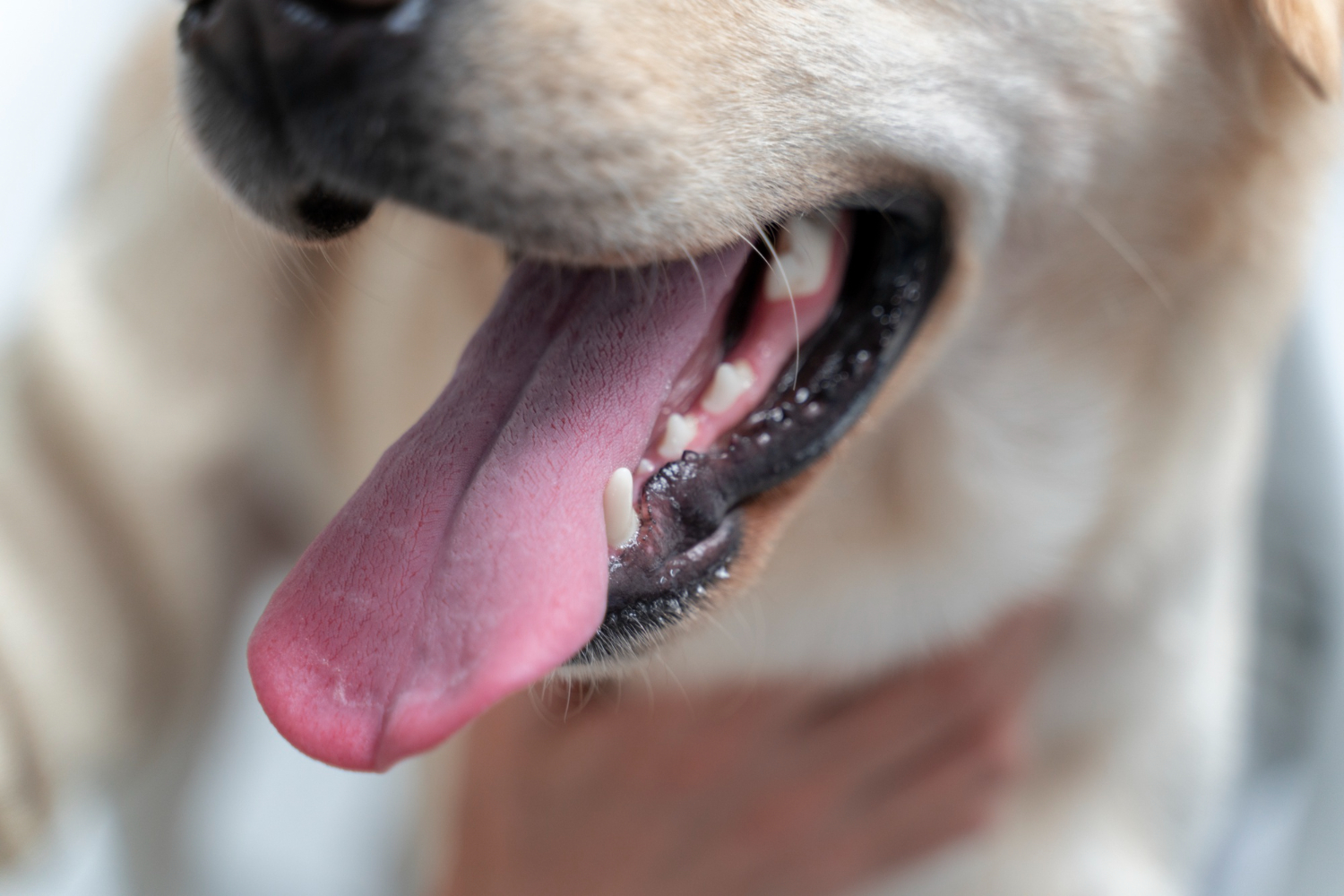
The Importance of Canine Dental Cleaning for Your Dog’s Health and Well-Being
When it comes to caring for our pets, dental health is often overlooked. However, maintaining your dog’s oral hygiene is one of the most important steps you can take to support their overall health, comfort, and quality of life.
Many pet owners assume that bad breath is normal in dogs. In reality, persistent bad breath is often one of the first signs of dental disease. Regular canine dental cleaning helps prevent plaque and tartar buildup, reducing the risk of gum disease, tooth loss, and serious health complications.
What Is Tartar in Dogs?
Tartar forms when plaque hardens on the teeth over time. Once tartar develops, it creates an environment where harmful bacteria can thrive.
This can lead to:
- Bad breath
- Inflamed or bleeding gums
- Periodontal disease
- Tooth loss
- Oral discomfort
- Difficulty eating
- Bacterial infections
According to veterinary professionals, approximately 80% of dogs over the age of three show signs of periodontal disease.
Why Is Dog Dental Cleaning Important?
Professional dog dental cleaning is about much more than having white teeth. It plays a crucial role in protecting your pet’s long-term health.
Prevents Gum Disease
Periodontal disease is one of the most common health issues in adult dogs. Without proper treatment, it can cause chronic pain, infection, and tooth loss.
Improves Breath
Bad breath is often caused by bacteria trapped beneath plaque and tartar. Professional cleaning helps eliminate the source of the odor.
Supports Overall Health
Oral bacteria can enter the bloodstream and potentially affect vital organs such as the heart, liver, and kidneys.
Enhances Quality of Life
Dogs with healthy teeth and gums eat more comfortably, experience less pain, and enjoy a better quality of life.
Signs Your Dog May Need a Dental Cleaning
Watch for these common symptoms:
- Persistent bad breath
- Yellow or brown tartar buildup
- Red or swollen gums
- Bleeding gums
- Loose teeth
- Difficulty chewing
- Pawing at the mouth
- Reduced appetite
If you notice any of these signs, scheduling a dental evaluation is highly recommended.
How Often Should Dogs Have Their Teeth Cleaned?
The ideal frequency depends on factors such as breed, age, diet, and genetics. Many veterinary professionals recommend routine dental assessments and professional cleanings to maintain optimal oral health.
Small breeds are often more prone to tartar buildup and may require more frequent dental care.
Benefits of Anesthesia-Free Dog Dental Cleaning
Anesthesia-free dog dental cleaning has become an increasingly popular option for pet owners looking for a less invasive way to maintain their dog’s oral health.
When performed by trained professionals on suitable candidates, benefits may include:
- Reduced stress for the pet
- No anesthesia or sedation
- Immediate recovery
- Convenient appointments
- Improved oral hygiene maintenance
Mobile dental cleaning services provide an additional level of convenience by bringing professional care directly to your home.
Invest in Your Dog’s Health
Regular canine dental cleaning is one of the best investments you can make in your pet’s health. Preventing tartar buildup and gum disease can help your dog stay happier, healthier, and more comfortable for years to come.
A healthy smile isn’t just about appearance—it’s an essential part of your dog’s overall well-being.
If your dog has bad breath, visible tartar, or signs of gum disease, don’t wait. Early prevention and routine dental care can make a significant difference in their health and quality of life.